Discover what is Night Mode on iPhone and how it transforms low-light photos with tips, tricks, and real-world examples.
I still remember the first time I saw Night Mode on my iPhone. It was a chilly evening, and I wanted to catch the neon lights in the city. My first attempts were… well, disappointing. The images were either grainy or dark, nothing like what I had seen with my eyes. As someone who loves exploring Gadgets & Reviews, I started digging to understand what Night Mode on the iPhone really does and why it could magically transform my low-light photos. And trust me, the results were worth the journey.
If you’ve ever asked yourself“ What? is Night Mode On the iPhone? “, this guide will retrieve you the basic comprehensive, technical insights, sprinkled with real- world examples And tips you won’t find in regular guides.
Understanding Night Mode: More than just a Bright Filter
So, what is Night Mode on iPhone? At its core, it’s night mode, a camera feature designed for catching better photos in low- light environments. But it’ s not just about making pictures brighter. Assess about it your iPhone to be a little photography genius living inside, combining multiple exposures To reduce noise, enhance and preserve detail the natural colors of a scene.
For example, one night I tried to photograph my coffee shop window. Without Night Mode, the mark is washed away. With that, the sign Glows naturally and I even caught the subtle reflection of the wet pavement. He is the magic of multi- frame processing: Your iPhone basically takes over several shots on different exposure levels, merges them and creates one stunning image.
How Night Mode Works: Take back the Magic
Night Mode It just isn’t a fancy name. This is a combination of hardware, software, and machine learning. Everyone works together to create low- light magic. What’s going on here? behind the scenes:
Multiple Frames: Instead of taking a single shot, your iPhone takes several frames with various exhibitions. Some are abbreviated to preserve detail. Others are longer to assemble more light.
Alignment& Merging: These frames are merged and merged with intelligent algorithms which have less blur and noise.
Machine Learning: In the neural engine your iPhone makes a decision, parts of each frame hold, creating accelerated and balanced final photos.
One thing I have noticed while experimenting: the results When it is always better the phone is stable. Even holding both hands can produce decent results, but a tripod? Game changer
When Night Mode Enables
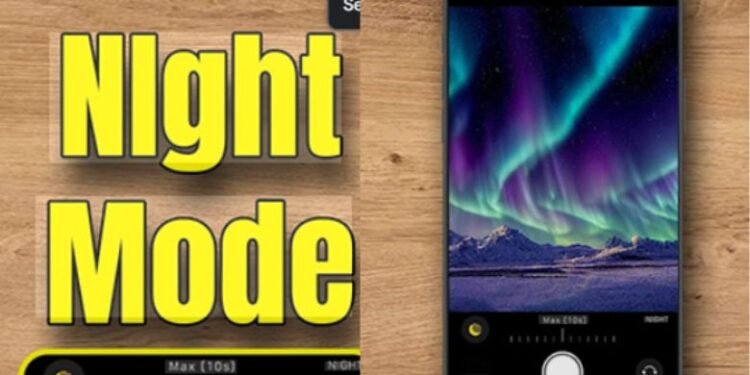
You might be thinking“ do I have to change it manually?” The answer is generally not. Your iPhone automatically detects low- light conditions and activates Night Mode. You will see a small crescent moon icon I the Camera app:
- Yellow moon: Night mode is activated and ready.
- Gray moon: Night mode can be used, but is not automatically activated yet.
You can also adjust the exposure length, which can be limited a fraction K a second to 30 seconds If your iPhone is on a tripod. This is how I managed to capture a long- exposure shot of the passage through the center- it was esteemed a painting of light.
Lens- Specific Differences
Not all lenses are made equal. Night Mode It behaves differently depending on it the lens You use:
- Wide lens: Excellent performance and longest exposure time.
- Telephoto lens: Works, but often less bright and efficient.
- Ultra- wide lens: Rarely supported Night Mode The reason for stabilization limitations.
During a weekend trip, I tried to snap a wide- angle shot of the city skyline, and the difference was dramatic. Switching to ultra wide, the photo looked dark and noisy. It’s a small detail, but it makes a difference if you care about image quality.
Night Mode I Selfies, portrait, and Videos
Here’s a fun fact many seem to miss: Night Mode Not limited rear cameras.
Selfies: Recent iPhone can use Night Mode with the front camera, so those late- night Selfies are no longer grainy.
Portrait Mode: So long the iPhone 16 Pro, Worked with night mode Portrait shots, to allocate low- light photos with beautiful depth and background blur. Interestingly enough, Apple Removed this feature in the iPhone 17 Pro series… users were a little worried including me.
Time spent: Night Mode Also extended frame capture I low- light time- lapse videos, perfect for those cinematic cityscape shots.
I tried a time- lapse of the sunset once, and the result was amazing- absolutely loved it. A professional camera caught it.
Limitations and Things to Watch Out For
Of course, Night Mode is not perfect. Here is a few quirks I have learned through trial and error:
- Moving subjects Blurring or ghosting may appear due to multiple exposures being shared.
- Night Mode What isn’t can enhance indoor scenes that are dark.
- Flash or Live Photos Automatically disable Night Mode.
- Sometimes indoors, Night Mode triggers unnecessarily, and creates more exposure time than necessary.
I remember trying to get my cat arrested. Once at night he left, and in the photo it seemed like a tiny ghost. Lesson Learned: Night Mode loves still subjects.
Community Tips and Tricks
From my own experience And reading user forums, is here some pro tips:
- Tripods Unlocked the longest exposures: If you are serious night photography, produce a small investment, portable tripod.
- Preserve Night Mode settings: go Camera settings and choose“ Preserve Night mode” if you don’t aspire to activate it automatically every time.
- Avoid movement: Night Mode Works best when subjects and camera are stationary. That’ s Why am I planning now? my night Shoot carefully.
Night Mode vs Display Features
It’ s elementary confuse Night Mode with other“ night” settings:
- Night Shift: adjust your screen to warmer tones to reduce eye strain.
- Dark Mode: Changes system and app background dark colors.
Remember, Night Mode is only for camera photography… nothing Something else.
Technical Summary
Let’s wrap up the nuts and bolts to all tech enthusiasts Inquire,“ What? is Night Mode On the iPhone? “
- Computational photography+ sensor tech+ stabilization
- Mostly automatic, but allows manual exposure adjustment
- Works With wide, tele, and front cameras( with some limitations)
- Increase time- lapse and portrait shots( older models)
- Best results with a stable camera and low- motion scenes
Why? Searchers appreciation This Info
When people search for“ What? is Night Mode On an iPhone, they will typically have:
- A scannable guide With titles, bullets and pictures.
- Beginners desire information- both straightforward and in- depth the“ how- to,” While the fans will have technical tips.
- Relatable examples and anecdotes To see how Night Mode works in real life.
- Practical tips and warnings About limitations and mistakes to avoid.
That’ s Why? I’ ve shared my own experiences, Funny accidents etc real- life examples. It’s not just theory- it’s what I’ve actually tried and learned.
The Key Takings:
- Understanding what is Night Mode on the iPhone has completely changed the way I shoot at night.
- From the city lights to the cozy café interiors, Night mode allows me to capture scenes even as I examine them the light is smaller.
- It’s a mixture of technology, intuition and a bit of experience. And that’ s What does? It’s exciting.
- Next time you are out at night on your iPhone, Remember: don’t just consider and shoot.
- Play along exposure times, pursue different lenses, use a tripod, and most importantly, it is fun experimenting.
Additional Resources:
- Use Night Mode on your iPhone (Apple Support): Official Apple guide explaining how Night Mode works, how to activate it, and tips for capturing low-light photos effectively.
- Night Mode on iPhone: Everything You Need to Know (MacRumors): In-depth technical overview of Night Mode, including supported devices, exposure tips, and real-world shooting examples.