How Long Does an iPhone Last in Real Life? Learn battery life, software support, and hardware lifespan to decide when to upgrade.
If you’ve ever seen your phone at 4 p. M., saw the battery sit down 18 percent, and asked himself silently how long does an iPhone last, You are not alone. Once I also blamed my iPhone Being” old”, when in fact it was just a tired battery. That moment changed the way I thought about things iPhone lifespan Complete The truth Simple, but often misunderstood.
In Gadgets & Reviews, we often see that an iPhone does not have one fixed lifespan. Instead, it has multiple lifespans layered on top of each other… shaped by battery health, software support, hardware stability, and personal expectations.
Understanding these layers helps you decide whether to upgrade, repair or continue using with confidence the device you are already the owner of.
The Short Answer Most People wishes
Before you go deeper, answer the question directly.
Most iPhones range between 5 and 7 years to the average user. With battery replacement And light usage, Many items 7–10 The year.
Heavy users can feel the need to upgrade preliminary, often around 3–4 The year.
That range exists because usage habits are more than model numbers.
Battery Life: The biggest factor in Perceived Aging
When people ask how long does an iPhone last, they almost always express battery performance, even if they don’t state it out of the blue.
What Actually Happens to iPhone Batteries
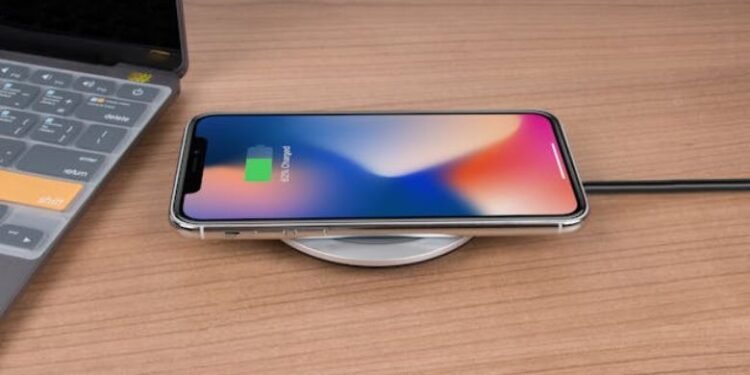
IPhone batteries Designed to last 80 percent capacity After hundreds of full charge cycles.
To most users, Appears noticeably after autumn 2–3 The year.
The new iPhones are classified with more charge cycles, which means slower long- term degradation.
Why? Batteries Create My Phone Is Dying Feeling
A weaker battery Change behavior:
- More frequent charging
- Lower screen brightness
- Constant use of Low Power Mode
- Anxiety about to go the house without a charger
I thought once my iPhone had reached the end of its life. After changing the battery, it almost felt new.
That experience taught me an important lesson: Battery life is often depleted. An iPhone is emotional, not technical.
Software Updates: Longer lifespan than most phones
Apple’ s software support plays a huge role in how long an iPhone lasts.
IOS Updates Explained Simply
- Major iOS feature Updates: Usually 5–7 The year
- Security updates: Often continue even after feature updates cease
That means an older iPhone may be guaranteed and usable even after you discontinue receiving flashy new features.
Why does it matter?
- Daily Life Messaging, browsing and more banking apps Works often years
- Security updates protect against modern threats
- Feature loss Not equal device failure
Many users only upgrade because updates conclude, not because the phone Stops working.
Hardware Durability: was made Outlast Expectations
Modern iPhones are physically tough.
Common Hardware Aging Points
- Battery ( most common )
- Speakers And microphones
- Buttons and charging ports
- Camera modules
After heavy use most of them can be repaired.
The real limitation when it appears replacement parts will be unavailable years later. On that stage, even small damage may end a phone’ s usable life.
Real- World Usage Patterns change Everything
Two people can buy the same iPhone but the same day and it totally is a different experience.
Typical Lifespan by User Type
- Light user: 6–8 years
- Average user: 5–7 years
- Heavy user ( Gaming, video, hotspot ): 3–4 The year
- Battery- replacement user: to 10 years
That’s why you’re asking how long does an iPhone last May is misleading without context.
Battery Replacement: The Lifespan Reset button
Battery replacement Most are single powerful ways to increase iPhone life.
What Battery Replacement Changes
- Restores all- day battery performance
- Reduces thermal throttling
- Do the phone feel Fast and polished
To change a battery about year three can add several years of Comfortable to use.
To many users, this is the difference between upgrading and maintaining the skin of their phone long- term.
What Actually Ends An iPhone Practical Life
Contrary to popular belief, iPhones rarely ” conclude “.
The Most Common End- of- Life Triggers
- Battery health Very few drops for daily use
- Security updates Cease completely
- Major hardware repair costs Transcend phone value
- Emotional desire to something new
In most cases, the phone still works. The user just chooses to transfer on.
Economic Lifespan and Resale Value
One In the underrated factor is how long does an iPhone last. It is an economic value.
Why iPhones? Last Longer Financially
- Strong resale market
- High demand to used models
- Ongoing benefit for secondary owners
Many iPhones live multiple lives across different users. It expands their overall lifespan far beyond first ownership.
Environmental and Usage Factors you Might Not Notice
Your environment It means more than you think.
Factors So briefly Lifespan
- Constant exposure too hot
- Heavy gaming sessions
- Continuous fast charging
- Poor charging habits
Two identical iPhones Age can vary widely depending on how they are treated.
A Simple iPhone Lifespan Timeline
Assess in steps everything clearer.
- 0–2 year: Peak performance
- 2–4 year: Battery decline begins
- 4–6 year: Battery replacement Extends life
- 6–10+ years: Limited updates, basic usability
This timeline explains why the answers are how long an iPhone lasts varies so much.
When should you? Upgrade Instead of Repair?
It makes sense to upgrade when:
- Security updates Completely finished
- Major hardware failure It happens
- Battery replacement Doesn’t feel worth it anymore
- Performance Not available now your needs
If your phone still fits your lifestyle, it often holds the smarter choice.
The Key Takings
- After years of using iPhones, repairing them, changing batteries and upgrading models, my perspective is clear.
- The question: How long is it? an iPhone Not the last universal answer.
- To most people, five to seven years is realistic. With care, battery replacement, and reasonable expectations, it may be longer.
- Your iPhone’ s lifespan is the reduced form of Apple And more of you.
- Once you understand this, the upgrade is a complete choice, not reflexive.
Additional Resources:
- How Long Do iPhones Really Last? Lifespan, Performance & Updates — SimplyMac: A detailed practical guide explaining iPhone longevity, including average lifespan (about 4–6 years), software support duration, battery health decline, and signs it may be time to replace or repair.
- How long do iPhones last? — Android Authority: Comprehensive analysis of real-world usage covering battery replacement effects, typical user upgrade cycles (3–4 years), and how proper maintenance can extend the life to 4–5+ years.