
How to Fix C0267 Pump Motor Circuit Open: Step-by-step ABS troubleshooting and clear fixes for Chevy and other vehicles. Fast tips
Hey there! If you’ve stumbled upon this page… chances are your dashboard is flashing that dreaded ABS warning light… and your scan tool just threw the C0267 code. First off… breathe. You’re not alone. I remember the first time my Chevrolet Tahoe gave me this exact error. My heart sank… and I had no idea where to start. After hours of research… trial… and error… I finally figured it out. In this guide… I want to take you on that journey and help you understand how to fix C0267 pump motor circuit open… step by step… with all the practical insights I’ve gathered along the way, including how to Build input sensor tests to pinpoint the root causes.
What Exactly is the C0267 Code?
Let’s break it down. The C0267 code is a diagnostic trouble code (DTC) that points to an open circuit in your ABS pump motor. Basically… your Electronic Brake Control Module (EBCM) is sending power to the pump motor… expecting feedback that everything’s working fine. When it doesn’t get that signal… it throws C0267. It’s kind of like sending a text to your friend and getting no reply…alarm bells start ringing.
This code is especially common in GM vehicles like Chevrolet Silverado… GMC Sierra… Chevrolet Tahoe… and GMC Envoy. When triggered… your ABS system may be disabled… meaning your anti-lock braking feature isn’t functional. That’s serious… especially if you’re driving in slippery conditions.How to Fix C0267 Pump Motor Circuit Open?
Common Causes of C0267 Pump Motor Circuit Open
Understanding the cause is half the battle. Here are the usual suspects:
- Faulty ABS Pump Motor – Sometimes the motor itself is toast. Motors wear down over time… especially if you live in areas with extreme weather.
- Wiring Issues – Open or shorted wiring… corroded connectors… or broken wires can interrupt the circuit. Picture a garden hose with a kink in it; water can’t flow properly.
- Low Brake Fluid – Sounds simple… but yes… low brake fluid can trigger ABS issues. Always check your fluid levels first.
- Defective EBCM – If the module controlling your ABS has a glitch or internal fault… it might throw false codes.
- Environmental Factors – Vehicles in regions with road salt… heavy snow… or high humidity often experience accelerated corrosion in ABS components.
- ABS Fuse Issues – Sometimes… a blown fuse can interrupt the pump motor circuit… leading to C0267.
- Mechanical Seizure of Pump Motor – Rare… but if the motor is physically stuck… it won’t operate correctly and triggers the code.
Symptoms You Might Notice
Aside from the glaring ABS warning light… here’s what you might experience:
- Inoperative ABS system
- Hard or spongy brake pedal feel
- Increased stopping distance
- Occasional unexpected brake pulsations
I remember mine…sometimes it felt like pressing the brakes into a pillow. Not fun… especially when traffic is behind you.
Step-by-Step Diagnostic Process
Now comes the fun part: diagnosing the issue. I’ve split this into beginner-friendly steps and a few advanced techniques.
1. Visual Inspection
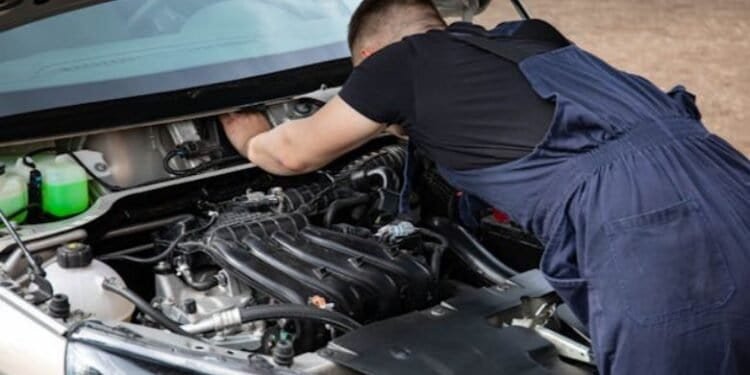
Check all wiring and connectors related to the ABS pump motor. A simple visual check saved me a lot of headache…it turned out one of my connectors had corroded from winter road salt.
2. Brake Fluid Check
Low fluid can affect the ABS system… triggering the C0267 code. Trust me… it’s an easy fix that’s often overlooked.
3. Fuse Inspection
Locate and inspect the ABS-1 fuse (usually a 40A J-case). Continuity is key. If it’s blown… replace it and see if the code clears. Many people skip this step and dive into more complicated diagnostics unnecessarily.
4. Pump Motor Test
Using a scan tool… activate the ABS pump motor. Listen and observe. If the motor doesn’t run or runs inconsistently… you’ve found a clue. Remember… the motor should activate smoothly and without unusual noise.
5. Feedback Voltage Monitoring
Advanced step: monitor the feedback voltage from the pump motor to the EBCM. A high voltage when the motor is off can indicate an open circuit; low voltage during operation usually means it’s working fine. This step can save you from replacing a perfectly fine motor.
6. Component Isolation
Disconnect the ABS pump motor and check wiring continuity. If wiring is good… the motor itself might be faulty. If there is no continuity… you’ve got wiring issues. Treat this like detective work…sometimes the smallest break in a wire is the culprit.
7. EBCM Testing
If all else checks out… your EBCM could be the culprit. Apply power directly to the motor circuit and see if the module responds. Non-response often means repair or replacement is needed. Remember… modules are expensive… so rule out wiring and motor first.
Repair & Replacement Insights
Repairing Wiring
Replace damaged wires or corroded connectors. This is usually the most cost-effective solution. Think of it like untangling a string of Christmas lights; one bad connection can bring down the whole circuit.
Replacing the Pump Motor
If your tests indicate a faulty motor… replace it. Be sure to follow manufacturer guidelines. Always double-check the part number; nothing worse than installing the wrong motor.
Professional Module Repair
Sometimes… replacing the EBCM is expensive. Services like UpFix offer module repair at a fraction of the cost. I personally used their service… and it saved me hundreds of dollars.
Environmental Maintenance
Regular inspection is key… especially if you live in areas prone to rust or corrosion. Simple preventive maintenance can save you a lot of trouble down the line.
Personal Anecdotes
When I first saw the C0267 code on my Tahoe… I panicked. I imagined having to spend thousands at the dealership. But after carefully following these steps… I discovered a corroded connector was the main issue. A little cleaning… a touch of dielectric grease… and voila…the ABS warning light disappeared. I learned that diagnosing step by step not only saves money but also builds confidence in handling vehicle issues.How to Fix C0267 Pump Motor Circuit Open?
I also realized that sometimes it’s the small things…like low brake fluid or a blown fuse…that cause the biggest headaches. Don’t underestimate the power of a careful inspection!
Common Mistakes to Avoid
- Ignoring Low Brake Fluid – It’s an easy check that many skip.
- Skipping Visual Inspection – Often the problem is obvious if you take a closer look.
- Jumping to Module Replacement – Always test wiring and motor first. Modules are expensive!
- Neglecting Environmental Effects – Corrosion and humidity play a huge role in ABS issues.
By avoiding these pitfalls… you can save time… money… and stress.
Relatable Analogy
Think of your ABS system as a mini orchestra. The pump motor is the drummer… the EBCM is the conductor… and the wiring is the communication between them. If the drummer stops or the communication line breaks… the whole performance (your ABS) goes haywire. Identifying the problem is like figuring out whether it’s the drummer… the conductor… or the microphone that’s failing. Once you know… the fix is much more straightforward.
Key Takings:
- Fixing the C0267 pump motor circuit open code isn’t as scary as it seems.
- By following these steps… inspecting thoroughly and knowing where to look… you can solve most problems without emptying your wallet.
- Remember… Taking the time to understand your vehicle can prevent future headaches and even save lives.
- How to Fix C0267 Pump Motor Circuit Open?
- If you’re ever unsure… don’t hesitate to reach out to a certified technician.
- Sometimes a second pair of eyes can spot what we miss.
- And trust me… learning about your own car is empowering…it turns a scary dashboard light into a learning experience.
Additional Resources:
- NHTSA – GM Technical Service Bulletins (C0267 ABS Issues): Official database for GM/NHTSA bulletins related to ABS pump motor circuit faults, recalls, and known C0267-related issues.
- Scribd – ABS DTC C0267/C0268 Factory Diagnostic PDF (Hummer/Chevy): Contains visual diagrams, resistance checks, pump harness test steps, and module inspection instructions directly from OEM repair manuals.